Spring Floral Watercolor Clipart PNG Review
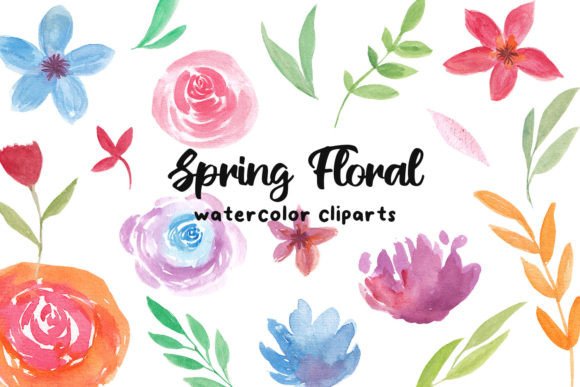
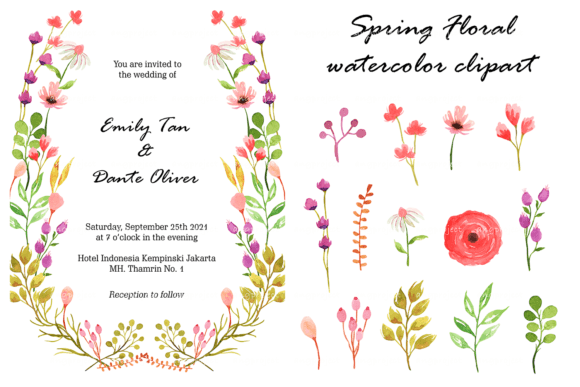
As a designer who has spent years translating digital art into tangible thread, I approach every new asset with a critical eye. When I first opened the Spring Floral Watercolor Clipart PNG file to evaluate it for my upcoming craft business line, I wasn't just looking at pretty flowers; I was analyzing how these soft gradients would translate into the rigid logic of a machine embroidery design. The mood is immediately apparent: gentle, airy, and undeniably seasonal. It captures that fleeting moment of early spring when blooms are just breaking through the frost. However, the transition from a watercolor aesthetic on a screen to a stitched reality is where the real work begins.
The Challenge of Translating Soft Gradients to Thread
The defining characteristic of this Illustrations collection is its reliance on soft edges and blended colors. In the world of digital files, this creates a dreamy visual personality. But in the realm of physical stitching, softness can be deceptive. When you convert a watercolor effect into an embroidery file, you are essentially asking your machine to mimic a fluid medium using solid strands of polyester or rayon. My immediate concern with the Spring Floral Watercolor Clipart PNG is how the subtle color transitions will hold up under magnification.
If I were to use this for a sweatshirt embroidery project, the density of the fill stitch would need to be carefully managed. Too dense, and the fabric pucker will ruin the delicate look; too sparse, and the "watercolor" effect will disappear, leaving behind a pixelated mess. The key lies in the stitch density and the strategic use of running stitch or satin stitch to outline the blooms without overpowering them. For a tote bag design, where the canvas texture is coarser, the softer details might get lost entirely unless the hoop size is large enough to allow for intricate detailing.
Real-World Application: The Custom Tote Bag Scenario
Let's walk through a specific scenario. Imagine I am preparing a limited run of custom apparel for a local boutique. The goal is to create a high-end, personalized gift item that feels artisanal rather than mass-produced. I decide to test the Spring Floral Watercolor Clipart PNG on a heavy-duty cotton tote bag. This is a common choice for Etsy sellers and small shop owners because it offers a neutral background that lets the colors pop.
In this context, the design shines, but only if executed correctly. The floral shapes are organic, which means they don't rely on perfect symmetry—a forgiving trait for embroidery. However, the watercolor bleeds require careful planning. If I simply digitize the image as-is, the result might look muddy. Instead, I would likely break down the layers, using lighter thread colors for the background washes and bolder hues for the flower centers. This layering technique mimics the depth of the original illustration while respecting the limitations of the thread.
For a finished product like this, customer trust is paramount. A buyer picking up a handmade product expects a level of professionalism that goes beyond a simple print. If the stitching is clean and the colors blend well, the perceived value skyrockets. Conversely, if the design looks like a poorly scanned photo, it damages brand consistency. The Spring Floral Watercolor Clipart PNG has the potential to elevate a basic tote into a boutique staple, provided the digitizer understands how to handle the delicate nature of the artwork.
Navigating Fabric Textures and Hoop Sizes
Not all projects are created equal, and this design demands respect for the substrate. While it works beautifully on smooth cotton or linen, I would exercise extreme caution with textured fabrics like denim or thick wool. On a baby embroidery project, such as a onesie or a blanket, the softness of the design is a huge plus. Parents love gentle motifs for nursery decor. However, the stretchiness of jersey knit requires a robust stabilizer to prevent the design from distorting after the first wash.
Hoop size is another critical factor. The Spring Floral Watercolor Clipart PNG features elements that flow outward. If forced into a tiny 4x4 inch hoop, the composition might feel cramped, and the fine details could become indistinguishable. For an embroidered patch, you have more control over the backing and edge finishing, allowing you to preserve the integrity of the design even on smaller scales. But for larger items like pillow covers or aprons, you have the luxury of scaling up, which allows the watercolor effects to breathe and truly resemble the original digital art.
Critical Considerations for Commercial Use
Before committing to a commercial embroidery run, there are practical steps every designer must take. First, always test the design on scrap fabric. What looks good on a monitor might behave differently on a dark fabric versus a light one. The contrast between the thread colors and the background material can make or break the visual appeal. I recommend testing the Spring Floral Watercolor Clipart PNG on both white and navy blue swatches to see how the pastel tones react.
Secondly, review the licensing terms. As a digital product seller or a creative entrepreneur, you must confirm whether the license allows you to sell finished items. Some assets are restricted to personal use only. Assuming you have the rights, consider how this design fits into your broader portfolio. Does it align with your brand? If you specialize in bold, geometric patterns, this soft floral motif might feel out of place unless used as a decorative accent.
Finally, think about the longevity of the product. Items that need frequent washing, like kitchen towels or tea towels, require a design that can withstand abrasion. Delicate running stitches might fray over time. In such cases, a slightly denser fill stitch might be necessary, even if it sacrifices some of the ethereal watercolor look. It is a trade-off between aesthetics and durability that every maker must navigate.
Final Verdict for Makers and Designers
The Spring Floral Watercolor Clipart PNG is a versatile asset that holds significant promise for those willing to put in the extra effort during the digitizing process. It is not a "load and go" file that guarantees perfection without adjustment. Instead, it is a canvas for creativity, offering a unique opportunity to bridge the gap between digital artistry and textile craftsmanship.
For the Etsy seller looking to differentiate their holiday gifts or the apparel decorator aiming for a premium finish, this design offers a distinct visual language. It speaks to a customer base that values softness, nature, and handcrafted charm. By paying attention to stitch density, choosing the right stabilizer, and testing thoroughly on different fabric textures, you can transform these digital illustrations into stunning, tangible products. Whether it ends up on a cap, a blanket, or a personalized gift, the success of the project hinges on your ability to honor the delicate nature of the watercolor style while adhering to the mechanical realities of embroidery.