Watercolor Boho Plants in Pot: A Designer Review
As someone who has spent years navigating the delicate balance between digital art and physical thread, I approach every new machine embroidery design with a mix of excitement and skepticism. The current trend toward soft, organic aesthetics is undeniable, but translating that into a durable finished product requires careful consideration. When I first opened the file for Watercolor Boho Plants in Pot, I was immediately drawn to its relaxed, artistic vibe. It sits comfortably within the Illustrations category, promising a look that feels hand-painted rather than rigidly geometric. But does it hold up when stitched onto real fabric? Let's dig into how this design performs in a practical workflow.
The First Impression: Mood and Visual Personality
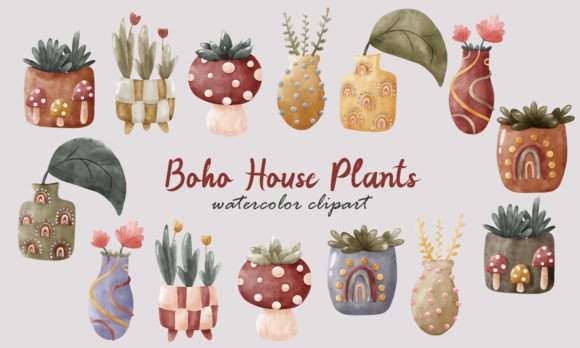
At first glance, Watercolor Boho Plants in Pot exudes a calming, earthy energy. The layout suggests a gentle asymmetry, typical of bohemian decor, where the plant leaves seem to spill naturally from the container. This isn't a stiff, symmetrical logo; it is an organic shape that breathes. For a designer looking to elevate a basic item into a boutique-worthy piece, this visual personality is a significant asset. The design relies on soft gradients and flowing lines to mimic watercolor washes. In a digital preview, this looks effortless, but my immediate concern is always how the stitch density will handle these subtle transitions without becoming muddy or overwhelming the fabric.
The aesthetic fits perfectly into the current market demand for nature-inspired home goods and casual wear. It screams "cozy" and "crafted," which are powerful triggers for buyers on platforms like Etsy or at local craft fairs. However, the success of Watercolor Boho Plants in Pot hinges entirely on execution. If the fill stitch is too dense, the watercolor effect disappears, replaced by a solid block of color. If it is too sparse, the design may lack definition. As a reviewer, I see great potential here, provided the embroidery file is tuned correctly for the intended application.
A Real-World Scenario: The Custom Tote Bag Project
To truly test the viability of this design, let's imagine a specific project: creating a line of custom embroidered tote bags for a small shop owner. These bags need to be sturdy, visually appealing, and capable of withstanding frequent washing. I picture placing Watercolor Boho Plants in Pot on the lower corner of a natural canvas tote. The goal is to create a handmade product that feels artisanal yet professional.
In this scenario, the organic shape of the pot and leaves works beautifully against the textured weave of the canvas. Unlike a sharp, corporate logo, the soft edges of the watercolor style blend well with the fabric grain. When I visualize the stitching process, I am thinking about using a high-quality stabilizer to prevent the canvas from puckering under the weight of the stitches. The thread colors would likely need to be carefully selected—perhaps muted sage greens, terracotta, and soft browns—to maintain the boho palette.
For a customer holding this bag, the design signals quality. It transforms a generic accessory into a personalized gift or a statement piece for their daily commute. The visual appeal is high because it doesn't look mass-produced; it looks curated. This is exactly the kind of design assets that help a craft business stand out in a saturated market. The design invites touch and conversation, which drives buyer engagement and brand recognition.
Navigating Fabric and Placement Challenges
While the design shines on stable fabrics like canvas or denim, there are scenarios where Watercolor Boho Plants in Pot requires extra caution. Embroidery on stretchy fabrics, such as jersey knit for sweatshirt embroidery or baby clothes, can be tricky. The intricate details of the leaves might distort if the fabric stretches during stitching or wearing. I would strongly advise against using this design on thin, sheer materials unless you use a heavy-duty cutaway stabilizer.
Similarly, curved surfaces like caps present a challenge. The wide, sprawling nature of the plant illustration might not conform well to the dome of a hat without distorting the image. For caps or hats, a more compact version of the design would be preferable. Additionally, dark fabrics require careful planning. The watercolor effect often relies on lighter tones; stitching light threads over a black background without proper underlay can result in poor visibility. You must check the thread color contrast before committing to a run.
Another critical area is small hoop sizes. If you attempt to downscale Watercolor Boho Plants in Pot to fit a 4x4 inch hoop, the delicate details of the leaves may get lost, turning into a blob of thread. Always verify the minimum recommended size for the design. For items like pillow covers or aprons, where space is less constrained, the design can breathe and show off its full character. However, for tiny accents or embroidered patches, you must ensure the running stitch outlines remain distinct.
Practical Notes for Professional Execution
If you decide to integrate Watercolor Boho Plants in Pot into your workflow, follow these practical steps to ensure a flawless result:
- Test on Scrap Fabric First: Never skip this step. Stitch the design on a scrap piece of the exact fabric you plan to use. This allows you to adjust tension and check for any unwanted pulling or puckering.
- Review Stitch Density: Inspect the back of the test stitch. If the density is too high, it can make the fabric stiff and uncomfortable, especially on custom apparel. You may need to edit the digital embroidery file to reduce fill areas.
- Confirm Hoop Size: Ensure your machine's hoop can accommodate the design dimensions without forcing it. Forcing a design into a smaller hoop will ruin the proportions.
- Check Licensing: Before selling finished items or offering this as a commercial embroidery asset, confirm the licensing terms. Some designs are for personal use only, while others allow for limited commercial sales.
- Mockup Testing: Create printable mockups in both light and dark backgrounds to visualize how the design interacts with different products. This helps in creating accurate listings for your online shop.
- Use Proper Stabilizer: Whether it is tear-away, cut-away, or water-soluble, the right stabilizer is non-negotiable for maintaining the integrity of the fill stitch and satin stitch elements.
Final Verdict: A Versatile Asset for the Modern Maker
Ultimately, Watercolor Boho Plants in Pot is a strong contender for designers seeking to add a touch of nature and artistry to their product lines. It offers a sophisticated alternative to standard floral motifs, providing a unique selling point for Etsy sellers and small shop owners. The design elevates simple items like tea towels, nursery decor, and holiday gifts into premium offerings that customers are willing to pay for.
However, its success depends on your attention to detail. It is not a "set it and forget it" design. It demands respect for the medium, requiring you to consider fabric texture, thread choice, and placement carefully. When executed correctly, it delivers a finished product that radiates warmth and professionalism. For those willing to put in the prep work, this embroidery project can become a staple in your portfolio, driving sales and building trust with your clientele. Just remember to test thoroughly, respect the limitations of your equipment, and always prioritize the quality of the final stitch.