Watercolor Clipart Seashells: Illustrations That Bring Coastal Charm to Branding and Design
First Impressions: Soft, Organic, and Inviting Visual Language
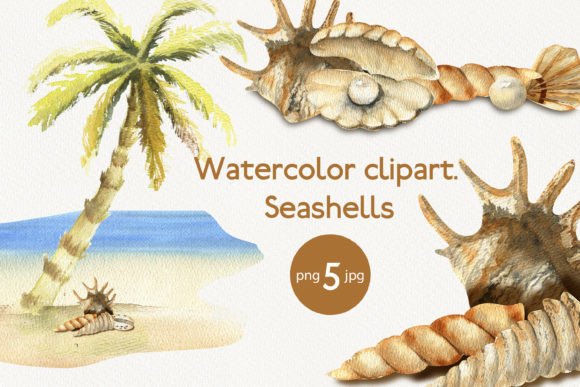
Opening the Watercolor Clipart. Seashells set, I was immediately drawn to the soft, hand-painted textures and natural imperfections that give this design asset its character. These aren’t crisp vector icons or overly stylized graphics — they’re organic, slightly irregular, and full of that unmistakable watercolor warmth. It’s a visual language that feels personal, artisanal, and perfect for brands or projects aiming to evoke a coastal, bohemian, or nature-inspired aesthetic.
Perfect For: Handmade Brands, Seasonal Campaigns, and Coastal-Inspired Packaging
As a designer working on a recent client project for a small, handmade candle brand with a beach-themed collection, I found myself reaching for this clipart set almost instinctively. The client wanted a soft, inviting visual identity that would translate well across packaging, social media, and product photography. The Watercolor Clipart. Seashells illustrations offered just the right amount of detail and texture to enhance the brand’s story without overpowering it.
Performance Across Real Design Applications
- Logo Design: Not ideal as a primary logo element due to the soft edges and painterly style, but works beautifully as a supporting icon or in secondary branding materials.
- Brand Identity: Perfect for creating patterned backgrounds, decorative dividers, or subtle accents in brand guidelines and stationery.
- Packaging Design: Adds a soft, artisanal touch to eco-friendly product labels or gift tags when used in moderation.
- Social Media Graphics: Shines in Instagram posts, Pinterest pins, and Canva templates where a warm, approachable tone is key.
- Printable Designs: Ideal for digital sellers offering printable wall art, planners, or wedding invitations with a seaside or botanical theme.
- Cricut & DIY Projects: Works well for digital cutting files, especially when paired with clean typography and layered over light backgrounds.
Where It Excels: Hero Graphics, Themed Collections, and Decorative Accents
The Watercolor Clipart. Seashells illustrations truly shine when used in larger layout areas — think website headers, poster backgrounds, or packaging side panels. Their painterly texture adds depth and warmth to themed collections, especially those centered around seasonal campaigns, beach weddings, or coastal home goods. They also perform well as supporting visuals in editorial spreads or blog graphics where the goal is to create a soft, inviting atmosphere.
Use With Caution: Small Sizes, Minimalist Layouts, and High-Contrast Needs
While visually appealing, these illustrations aren’t a one-size-fits-all solution. In small sizes — such as on app icons, social media profile pictures, or mobile banners — the watercolor texture can get lost, making the design appear blurry or undefined. They also tend to clash with minimalist branding or corporate design systems that rely on clean lines and high-contrast visual hierarchy. Avoid using them in complex layouts with multiple patterns or layered graphics, as they can easily get swallowed or create visual noise.
Impact on Branding and Audience Engagement
From a branding perspective, Watercolor Clipart. Seashells can help build emotional appeal and visual trust, especially for small businesses or handmade brands looking to convey authenticity and craftsmanship. Their hand-drawn nature adds a human touch that resonates well with audiences who appreciate artisanal and nature-inspired aesthetics. However, overuse can lead to inconsistency or a lack of professionalism, so it’s important to balance them with clean typography and structured layout elements.
Practical Designer Notes Before Use
Before integrating this design asset into any client project, here are a few practical checks I always perform:
- Test in black and white: See how the illustrations translate in monochrome, especially for print or accessibility purposes.
- Check contrast: Preview on both light and dark backgrounds to ensure visibility and legibility.
- Preview at multiple sizes: Confirm that the watercolor texture holds up at both small and large scales.
- Place on real mockups: Use them in packaging or product mockups to see how they perform in context.
- Test print quality: Especially important if the client is using them for physical products or print-on-demand items.
- Review file formats: Make sure you have access to both PNG and SVG files for flexibility across design platforms.
- Inspect PNG transparency: If transparency is needed for digital overlays or layered designs, confirm that the PNG files have clean edges.
- Check SVG editability: If you plan to modify the illustrations, verify that the vector files are properly layered and editable in Adobe Illustrator or similar tools.
- Pair with fonts: Try them with serif, sans-serif, script, and handwritten fonts to see which combinations feel most cohesive.
- Confirm licensing: Always double-check that the Watercolor Clipart. Seashells come with a commercial license, especially if you’re using them for client work or resale in a digital product like a Canva template or Cricut project.
Final Thoughts: A Versatile Creative Design Asset for the Right Project
Ultimately, the Watercolor Clipart. Seashells set is a valuable addition to any designer’s toolkit — especially those working with small businesses, Etsy sellers, or local brands that lean into organic, handmade, or coastal themes. It’s not a replacement for crisp vector icons or minimalist design assets, but rather a complementary tool for creating warmth, texture, and personality in visual storytelling. Used thoughtfully and tested thoroughly, this design asset can elevate a project from generic to memorable.