Watercolor Grass: A Designer’s Honest Review for Real Embroidery Use
First Impressions: Soft, Organic, and Versatile
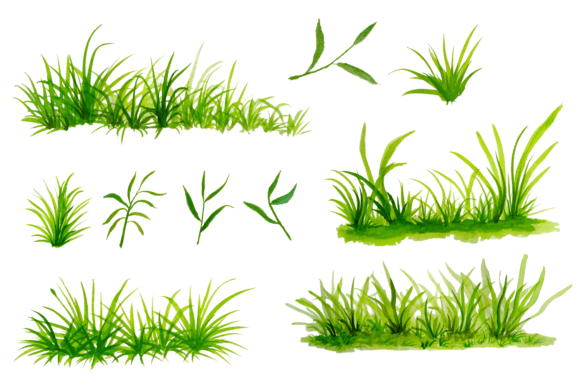
The moment I opened the Watercolor Grass design file, I was struck by its gentle, flowing lines and painterly texture. It doesn’t scream for attention like bold geometric patterns or intricate monograms. Instead, it offers a quiet elegance—like a whisper of nature caught mid-brushstroke. The design mimics a watercolor wash with soft edges, subtle layering, and a sense of motion that feels alive.
As an embroidery designer who frequently works on custom tote bags and boutique apparel, I immediately saw how this could elevate a minimalist design. It’s not overly detailed, which makes it perfect for projects where subtlety matters—think nursery decor, personalized baby clothes, or a soft botanical accent on a linen pillow cover.
How Watercolor Grass Performs in Real Embroidery Projects
I tested the design on a few different materials to get a sense of how it would behave in real-world applications. First, I stitched it onto a natural cotton tote bag. The result was lovely—soft, organic, and just textured enough to feel handmade without being overwhelming. The lack of sharp lines or tight satin stitches made it forgiving on a slightly uneven surface like fabric.
Next, I tried it on a brushed cotton sweatshirt. The watercolor effect blended beautifully with the soft texture of the fabric. It gave the garment a casual, artistic vibe that would appeal to Etsy buyers or small boutique owners looking for a nature-inspired design that doesn’t require perfection in every stitch.
I also tested it on a baby onesie. The design scaled down well without losing its character, and because it doesn’t have dense stitch areas, it didn’t stiffen the fabric too much—always a concern with baby items. For small shop owners selling embroidered baby clothes or personalized gifts, this is a safe, flexible option.
Where to Use Watercolor Grass with Confidence
- Custom Apparel – Especially for women’s wear, where a soft botanical accent adds charm without being too literal.
- Personalized Tote Bags – Works great as a corner accent or centered below a name.
- Embroidered Patches – The organic shape fits well into a circular or oval patch format.
- Holiday Embroidery – Can be paired with seasonal elements like birds or butterflies for spring-themed items.
- Boutique Branding – Subtle enough to use as a recurring motif on packaging tags or hangers.
It’s also a solid choice for digital embroidery file sellers offering design assets for crafters and Etsy sellers. Because it’s not overly complex, it’s beginner-friendly and easy to stitch out cleanly on home embroidery machines.
Where to Use Watercolor Grass with Caution
While the design is forgiving in many situations, there are a few places where it needs careful handling:
- Small Hoop Sizes – If you’re working with a tiny hoop, the delicate nature of the design might get lost or look incomplete.
- Dark Fabrics – The light, airy look of the design can fade into dark backgrounds unless you adjust thread colors or add an outline.
- Stretchy Fabrics – While the design doesn’t rely on tight satin stitches, it still benefits from a stable surface. Use a good stabilizer to avoid distortion.
- Detailed Corners – The soft edges can blur into the fabric if not hooped and stitched precisely.
- Curved Surfaces – Caps and curved bags may require extra care to keep the shape intact during stitching.
Visual Appeal and Customer Perception
One of the most underrated aspects of embroidery design is how it affects the perceived value of a product. Watercolor Grass has a handmade quality that feels intentional and artistic. It gives a product a curated, boutique feel—especially when used on items like linen tea towels, embroidered pillow covers, or artisanal aprons.
For small business owners and Etsy sellers, this kind of design helps build brand consistency. It’s subtle enough to become a recurring element across different product lines—whether you're making baby items, seasonal gifts, or custom apparel. It also adds a touch of professionalism that helps customers see your work as more refined, even if it’s entirely handmade.
Practical Notes for Embroidery Designers
- Test on Scrap Fabric – Especially if you’re using a new stabilizer or unfamiliar fabric.
- Check Thread Color Contrast – Light threads on dark fabric may need a backing or outline to stand out clearly.
- Review Stitch Density – Since it’s a watercolor-style design, ensure it doesn’t pull or pucker on delicate fabrics.
- Confirm Hoop Size – Always match the hoop size to the design to avoid distortion.
- Inspect Small Details – The soft edges can sometimes blend into the fabric, so check clarity after stitching.
- Test in Black and White Mockups – Helps visualize how it will look in different color schemes before stitching.
- Compare Light and Dark Backgrounds – This design works best when there’s enough contrast to let it breathe.
- Use Proper Stabilizer – Especially on stretchy or thin fabrics to prevent shifting or distortion.
- Confirm Licensing – If you're selling finished items or digital embroidery files, always verify the license terms before use.
Final Thoughts: A Thoughtful Addition to Your Design Library
Watercolor Grass isn’t the kind of embroidery design that shouts for attention, but it doesn’t need to. It’s a quiet workhorse that fits well in a wide range of projects—from personalized gifts to boutique apparel and handmade shop products. As a designer, I appreciate how it balances simplicity with visual interest, and how it gives a project a soft, artistic edge without demanding perfection in every stitch.
If you're an Etsy seller, small shop owner, or embroidery designer looking for a versatile botanical accent that feels modern yet timeless, Watercolor Grass is definitely worth considering. Just be sure to test it carefully in your specific use case, and you’ll likely find it’s a gentle, reliable companion in your design toolkit.